Health hazards from exposure to mineral dust
Although not all mineral dust is toxic, occupational exposure to mineral dust can lead to serious health problems, including pneumoconiosis, a lung disease caused by inhalation of harmful particles, and lung cancer.
In the breathing process, we introduce tiny particulate matter, too small to be visible to the naked eye, to the respiratory system. Particles that are small enough to pass through the upper airway can reach the lungs - microscopic structures at the end of the bronchial lung, where the gas diffusion process takes place. Particulate matter that has reached the lungs can cause inflammation and the growth of scar tissue (fibrosis). In some cases, these external particles can react with body fluids in a way that harms cell structure and DNA, thus causing the onset of tumor growth.
The most damaging mineral dust is probably asbestos and silica dust, both of which are silicate minerals. Chronic inhalation of asbestos leads to the development of Asbestosis, a form of Pneumoconiosis, mesothelioma, a cancerous tumor on the walls of the lung, and lung cancer. Silica dust breathing leads to Silicosis, another form of Pneumoconiosis. This disease is characterized by reduced lung function, shortness of breath, chronic cough and damage to the immune system. Silicosis is the oldest occupational disease, and probably the most common today.
Dust and particle filtration systems
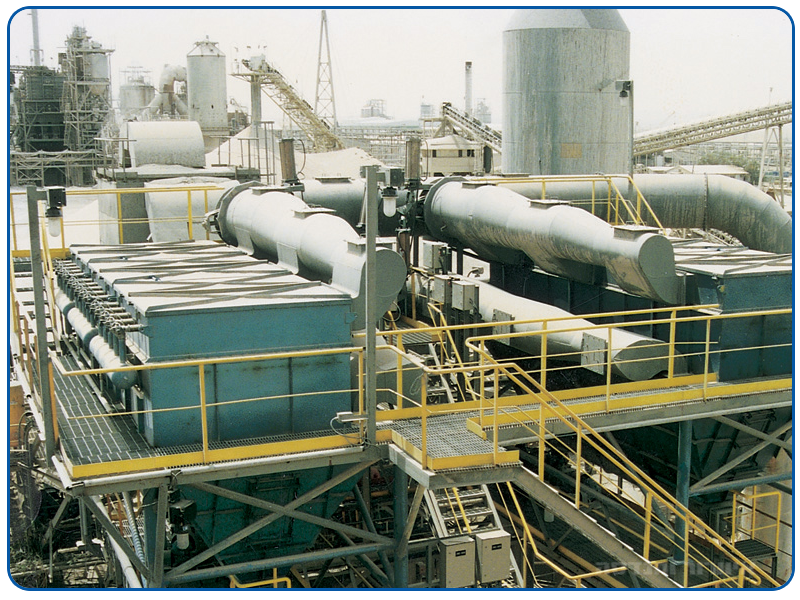
At Ventilation & Engineering, we design, manufacture and assemble Cartridge filters for dust and particulate matter filtration. Our CF filters operate efficiently under heavy load and are simple to maintain thanks to the advanced Rotary Jet Cleaning technology. CF filters provide an efficient and economical solution to the problem of mineral dust exposure.





.gif)


.png)


